
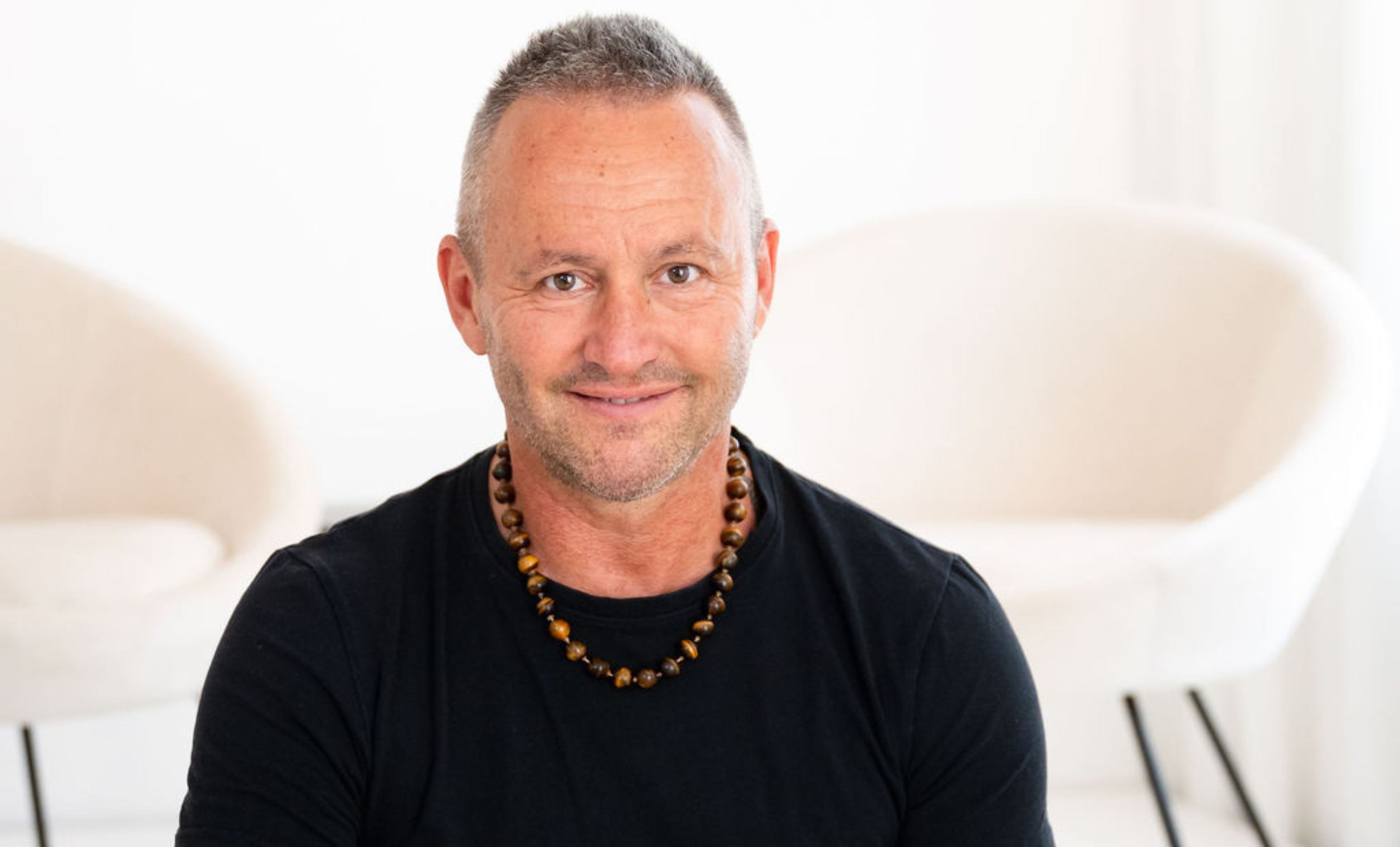
Neurosomatic Practitioner · Neuroplasticity Coach · NLP Practitioner · Hypnotherapy Practitioner
Dejan
From external strength to inner resilience.
I am an entrepreneur, the owner of a successful tennis club for the past thirty years, and a practitioner of neurosomatics, hypnosis, and neuro-linguistic programming. I create a space where individuals — especially men — can put down the pressure to constantly prove themselves and develop an inner resilience built on self-trust.
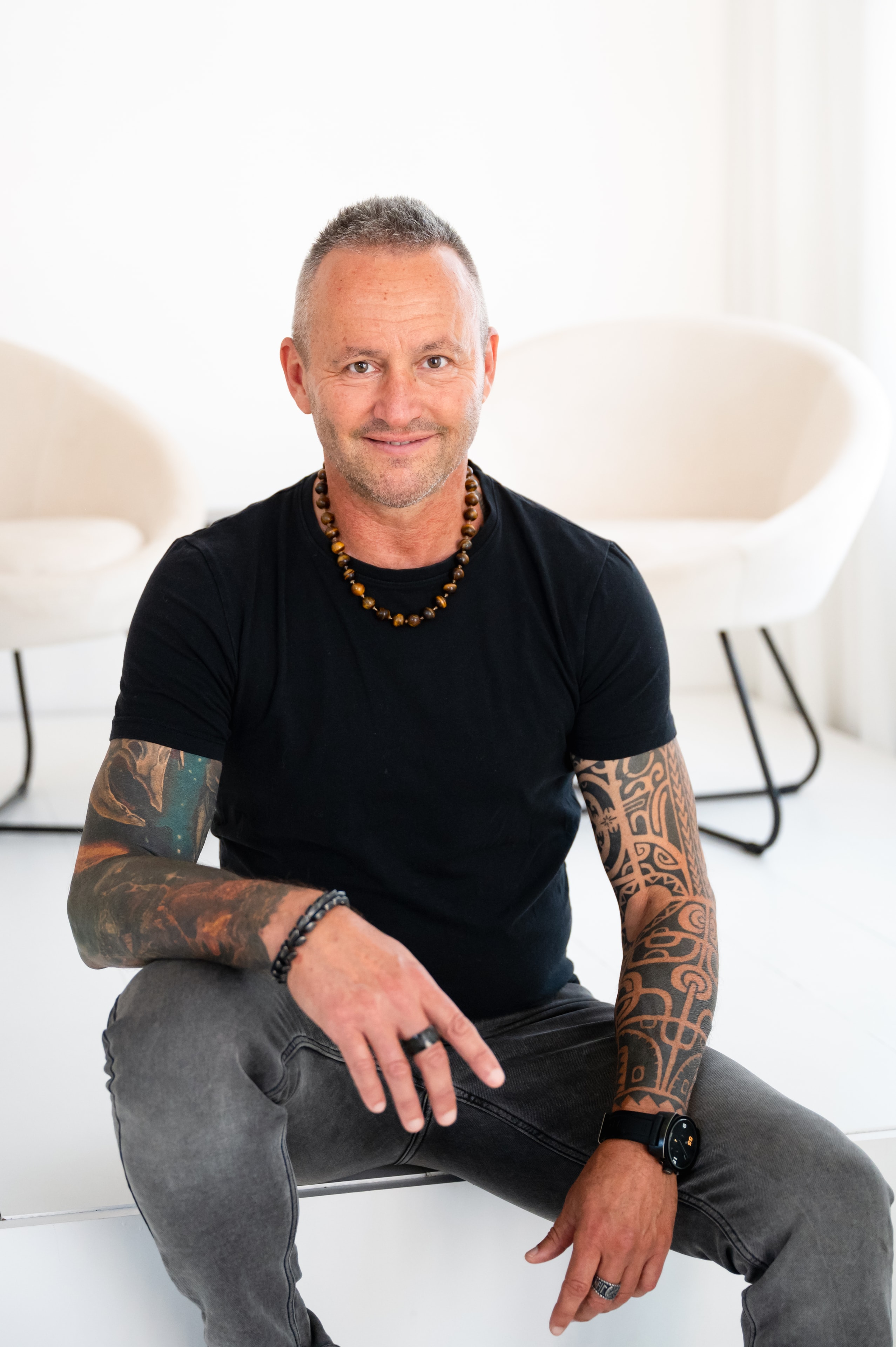
My journey
What makes a person truly strong?
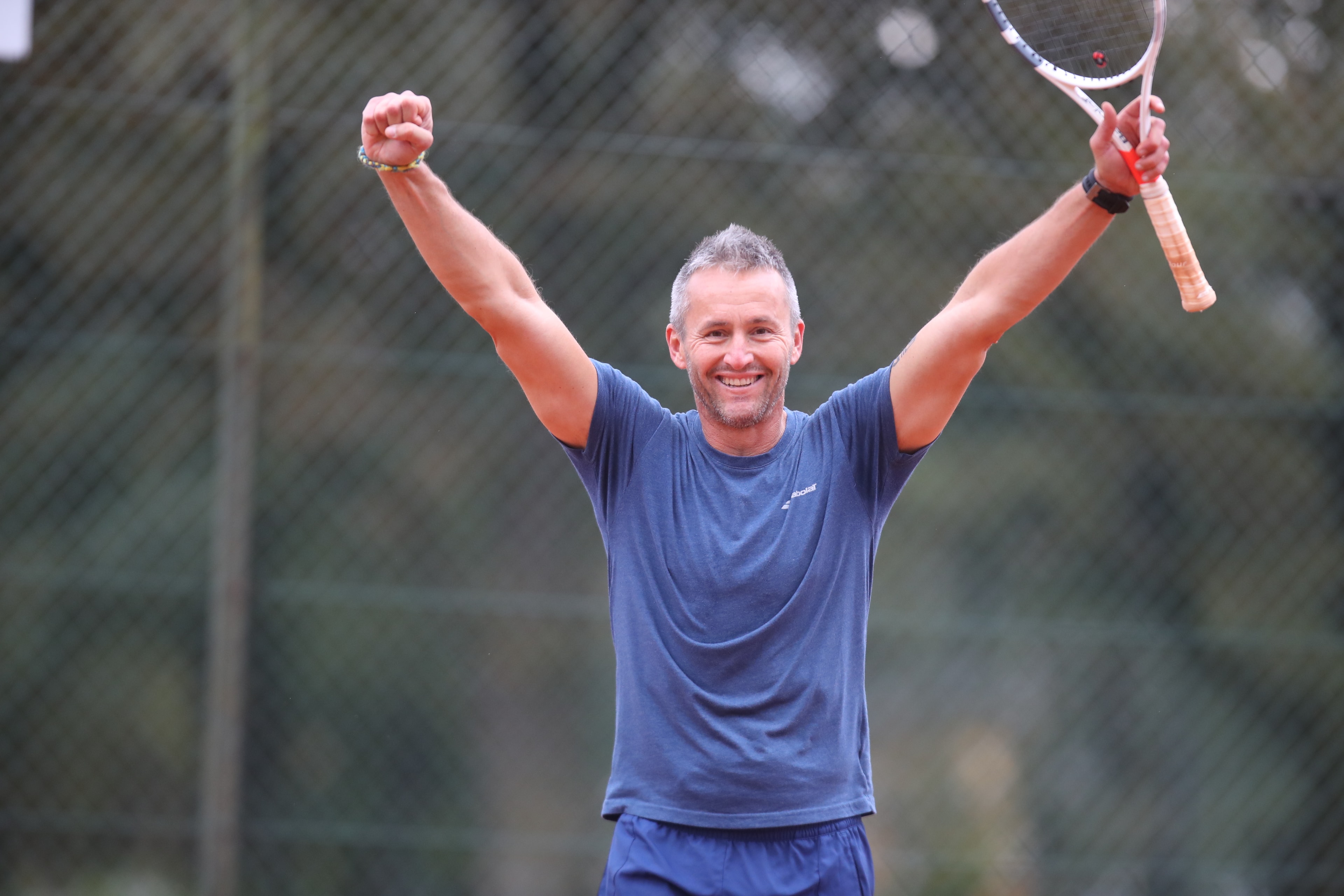
For many years, I believed the answer was clear: discipline, work, perseverance, never giving up on the goal. Much of my life was built around these values. Through sport, entrepreneurship, and working with people, I learned what it means to take responsibility, remain steady under pressure, and get back up after defeat.
But life taught me something else as well. There are battles that cannot be won through stronger willpower alone. There are wounds you cannot outrun. And there are moments when the greatest courage is not in moving forward, but in stopping and admitting the truth to yourself.
Thirty years in business means far more than success. It means periods of growth and uncertainty, decisions for which you carry responsibility, pressure that others often do not see, and defeats after which you still have to continue. Certain experiences brought me to a stop and showed me that a person does not always need more effort — sometimes, they need a different relationship with themselves.
"True strength is not only the ability to endure everything. It is also the ability to recognize when enough is enough."
The body carries the story
The body knows when we have been under pressure for too long.
A person can endure a great deal. They can keep going while exhausted. They can care for others, run a business, solve problems, and appear completely stable from the outside. But the body knows. It knows when we are holding back anger, sadness, or fear. It knows when we display strength outwardly while losing connection with ourselves inside.
My path led me to neurosomatics, body-based work, conscious movement, hypnosis, and neuro-linguistic programming. I began exploring more deeply how stress, pain, and unresolved experiences affect our bodies, decisions, relationships, and the way we lead our lives.
What is a neurosomatic approach
We do not ask only what a person thinks.
Neurosomatics combines an understanding of the nervous system with body awareness and direct experience. As a neurosomatic practitioner, I help people develop greater inner stability, regulate their nervous systems, and reconnect with themselves.
The purpose is not to remove uncomfortable feelings as quickly as possible. It is to develop the capacity to notice them and remain present.
We also explore:
- What is happening in the body
- Where tension appears
- What triggers an automatic reaction
- When a person loses connection with themselves
- What their nervous system perceives as a threat
- What they need in order to begin releasing protective patterns
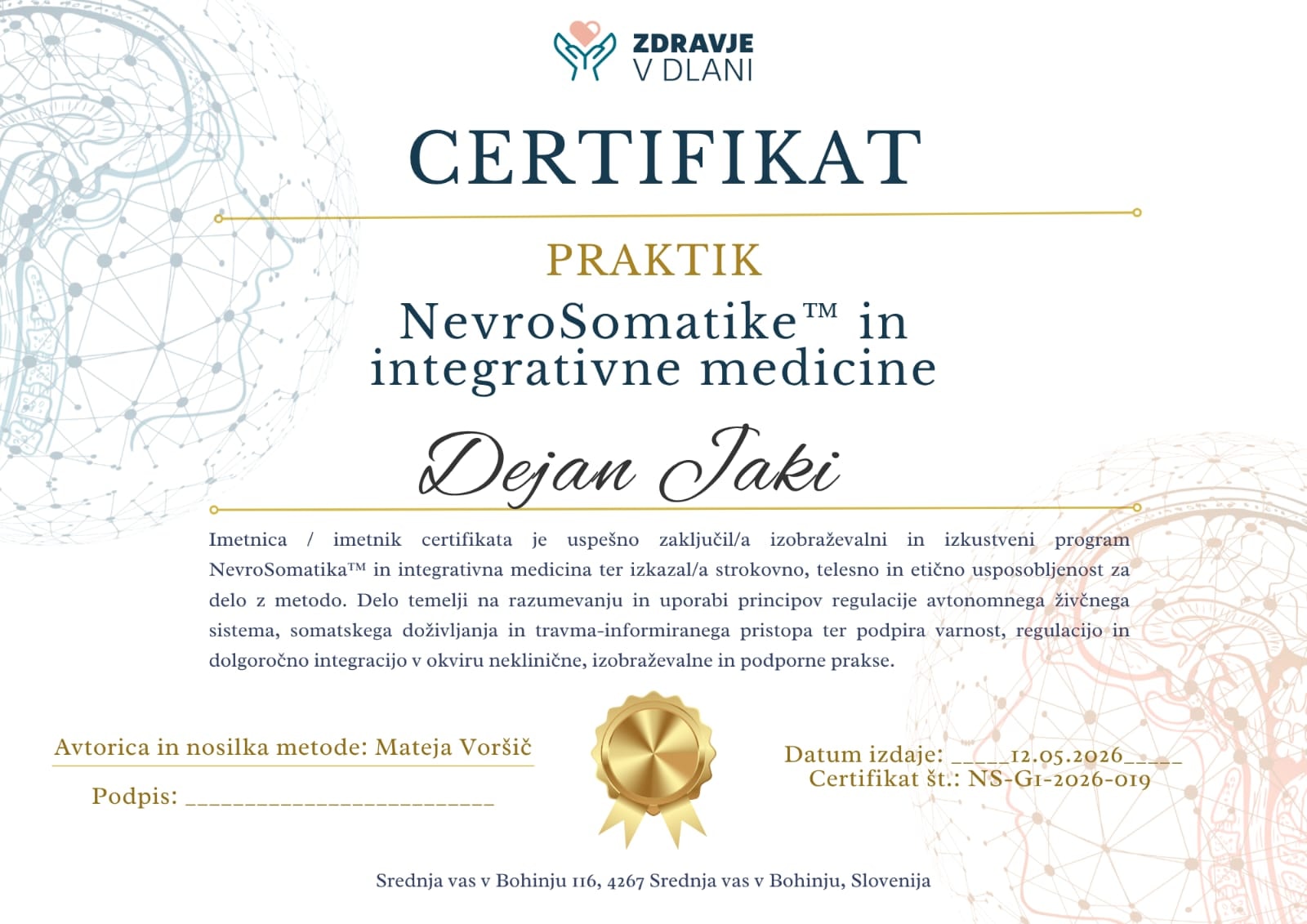
NevroSomatike™ Practitioner
Zdravje v dlani · Mateja Voršič
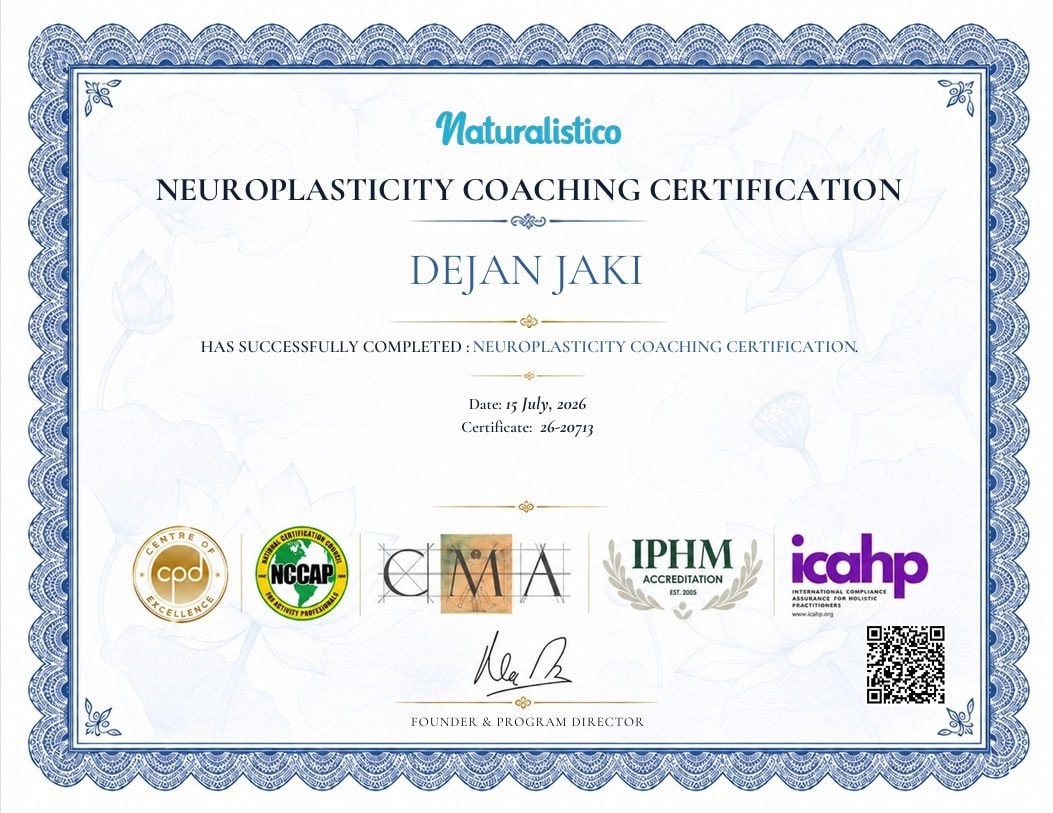
Neuroplasticity Coaching Certification
Naturalistico, July 2026
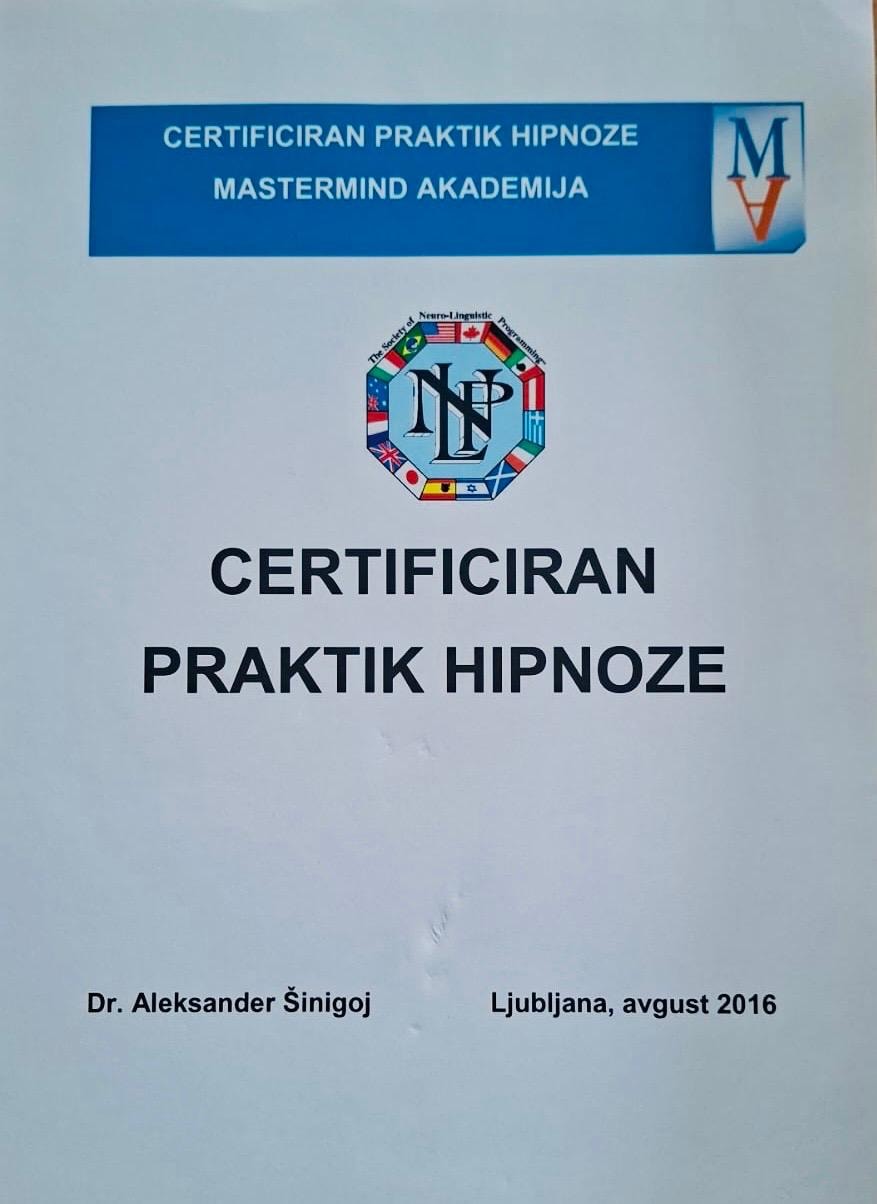
Certified Hypnosis Practitioner
Mastermind Akademija, August 2016
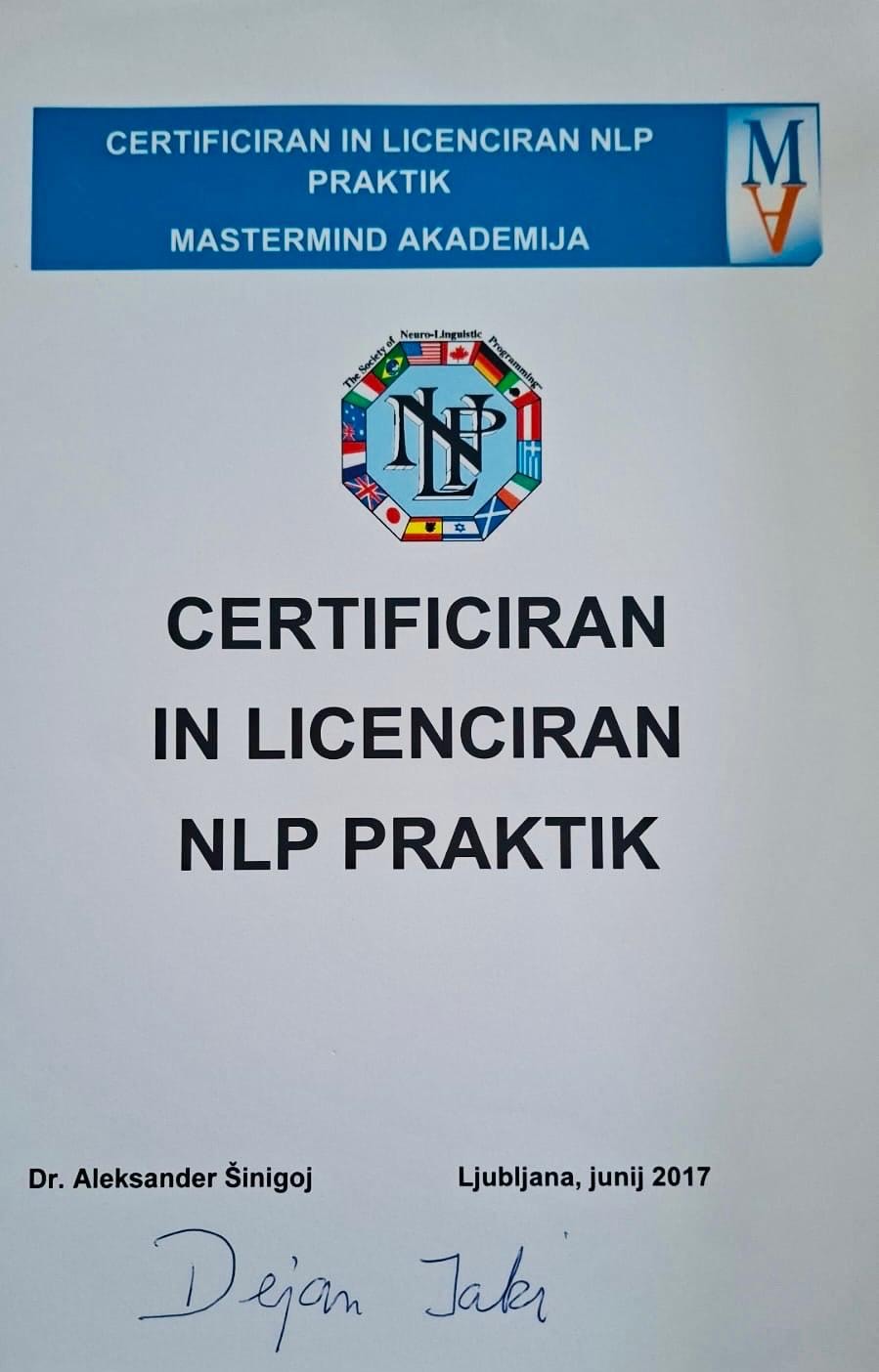
Certified & Licensed NLP Practitioner
Mastermind Akademija, June 2017
My approach
I am not interested only in what a person knows.
I am interested in what they are genuinely able to feel and live. Change cannot be built through explanation alone — it is built through a new experience.
Neurosomatics
Nervous system regulation
Somatic awareness
Conscious movement
Hypnosis
Neuro-linguistic programming
Understanding emotional and behavioral patterns
Practical experience from sport and entrepreneurship
Direct, honest, and confidential conversation
I feel especially connected to working with men
Men do not need more motivation.
Men who carry a great deal of responsibility. Who are used to taking care of everyone else. Who lead companies, families, or teams. From the outside, they often appear calm and decisive. Inside, they may be carrying pressure, exhaustion, doubt, anger, loneliness, or the feeling that they must manage everything alone.
Many men do not speak about what they are experiencing — not because they feel nothing, but because they have learned that there is no space for their vulnerability. But sooner or later, the body reveals how long it has been under pressure.
What they need is a space where they can put down their armor for a moment. A space where they do not have to prove anything. This is not a loss of strength. It is the beginning of a different kind of strength.
Who my work is for
- Chronic stress
- Constant inner tension
- The feeling that stopping is not allowed
- Difficulty expressing emotions
- A strong need for control
- Irritability or outbursts of anger
- Emotional withdrawal
- Exhaustion
- Recurring relationship conflicts
- Difficulty setting boundaries
- Loneliness despite being surrounded by people
- Living in a constant state of doing
When the body changes, life begins to change
When the nervous system begins to feel safer, the way a person functions changes.
Can pause more easily before reacting
Recognizes their needs more clearly
Sets boundaries with greater calm
Becomes less afraid of their own feelings
Remains more present in difficult conversations
Makes decisions from greater clarity
More calm
More clarity
More inner resilience
Not the kind built on control. The kind that is built on self-trust.
True strength is not the ability to endure everything
Today, I understand that a person is not strong because they never show vulnerability. They are not strong because they solve everything alone. And they are not strong because they never fall. True strength is the ability to stop fighting against yourself.
"I believe that the greatest strength is not in never falling. It is in returning to yourself after the fall."
— Dejan
My work within EVEREN
A safe space for a deeper understanding of yourself.
I do not believe in quick formulas or universal solutions. Every person has their own story, their own protective patterns, their own boundaries, and their own pace. That is why my goal is not to change someone as quickly as possible. I want to create a space where they can safely look within, feel their body, and begin developing a new relationship with themselves.
Returning to yourself
Returning to yourself is not defeat.
The greatest strength is not in never falling. It is in refusing to abandon yourself after the fall. In not immediately escaping into work, control, or another goal. In stopping, breathing, listening to the body, and asking what is truly happening inside you.
"It is the moment when you stop proving yourself and begin living from a place of deeper inner truth."
Begin with discovery.
The conversation is free and without obligation. Together we look at where you are and what would serve you most.